Something I Saw
My diagnosis

This past May, I posted on Instagram in celebration of my two years in recovery from my last manic episode. I wrote it nuzzled under white sheets in the South of France. Despite a battle with period cramps, I'd spent the days before with some of my best friends, from a seemingly happy place. I had smelled orange blossoms. I posted, tracked comments, and put the device away.
Back in 2021, I was stuck in a cycle of wanting to die. I spent too many mornings in a row not wanting to go on, but feeling too tired to even make a move to get it all over with. After sinking into the dark place, I finally got on the phone with a psychiatrist and was diagnosed with type II bipolar disorder. My therapist at the time (who I swiftly fired) had told me I was just experiencing trauma-related symptoms. A lot of my adolescence was shaped by resilience, but this was something I knew needed to be taken gravely seriously. I've long been a wanderer, and anyone who's left home for whatever reasons knows that wallet-phone-keying through life can put your nervous system into a version of sympathetic psychosis. I was fighting, flying, and fawning.
That fall, I like to remember that I was faced with the grand decision of choosing to live. I got on medication, I ended my relationship, I moved house, I started a new job, I tried to get back with an ex (0/10 stars), and soon became a runner.
Five years later, I'd never written publicly about my diagnosis. Here and there, I wrote about having a mood disorder and penned pithy captions about surviving depression, but "coming out" was something else altogether. Up until recently, Kanye West was the poster child for bipolar disorder, and I didn't want to lose opportunities because of mine. So, I hid it.
Around late March of this year, I was on a train from France to Spain and couldn't stop crying. In managing my disorder over the last five years, I've come to recognize these signs, and I began reaching out to my anchors. I sent teary-eyed texts to my assembly of emergency contacts. I spoke as honestly as I could in therapy about what was going on. In short, I thought I was bigger than the program. At the time, I was pulling every lever to fix myself: a tool sharpened by my ongoing shame.
While I could “come out” on May 1, it was in mid-May that my period of recovery came to a halt. My mania symptoms broke through and, as always, unbeknownst to me, I was slipping. I forgot things, I started fights, I started to believe irrational things about the world around me. Simple disagreements felt like all-out attacks. I was drowning and I couldn’t even tell that my feet were wet.
It’s extraterrestrial, to say the least. I had given my everything to tightening up and still I found myself underneath this very costly disorder. Weeks later, I’m still torn up about it all. It’s hard to reckon with something that cannot be medicated, therapied, dieted, ran, prayed away. It is wherever I am and it sucks. I believe my worst thoughts and, as if for fun, my brain adds on new data to tell me my life isn’t worth living. Even recounting moments of mania physically hurts like wearing a corset lined with daggers.
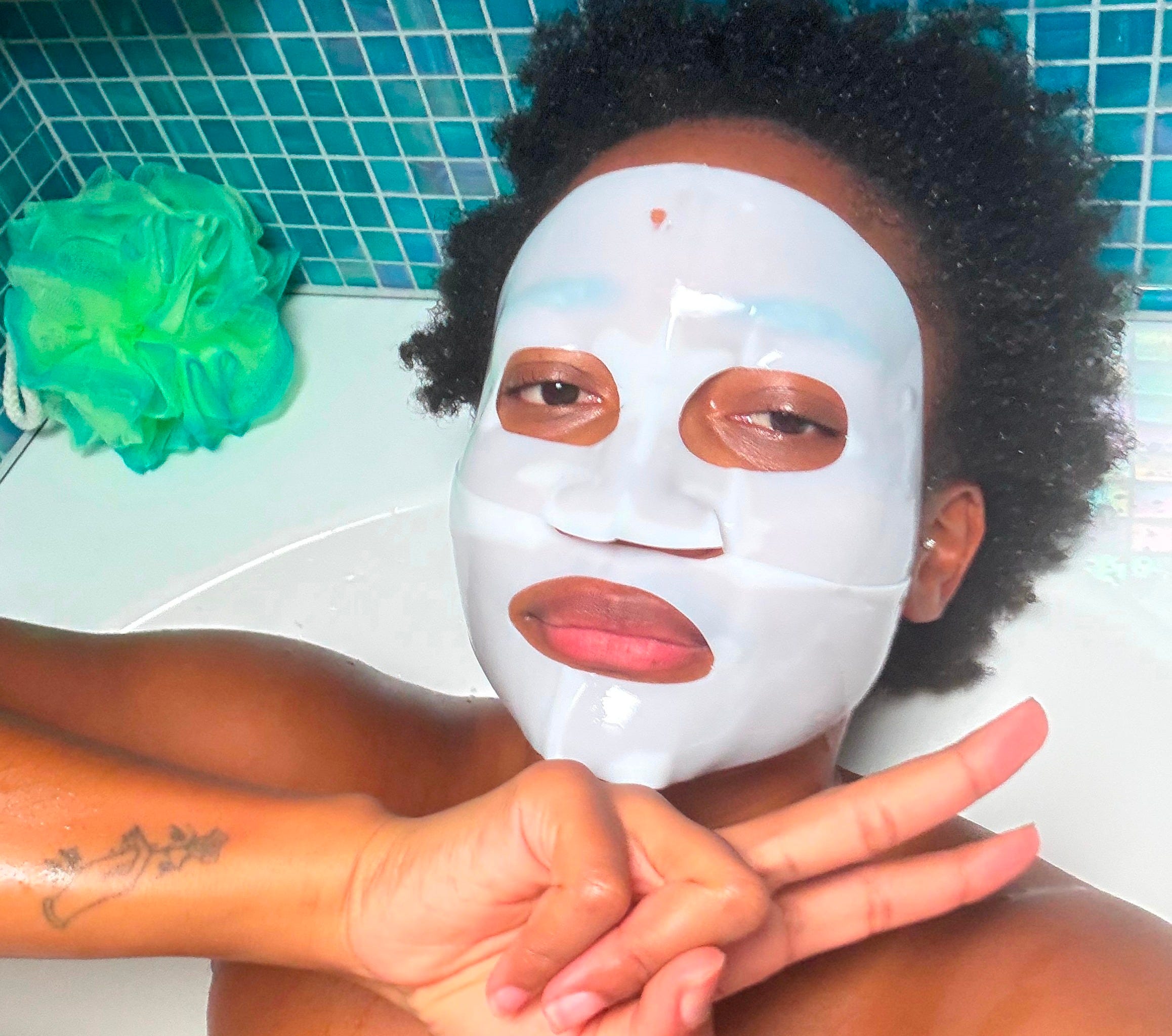
I’m sorry that this newsletter is a bit of a downer. My Instagram post was filled with a lot more hope. I gleefully shared the names of other bipolar people making beauty of their diagnoses: Kehlani, Yung Lean, Jenifer Lewis, Chappell Roan, and Camoghne Felix. After posting, a dear friend texted me about how I’d free’d myself. With some distance now, I don’t feel anymore free talking about a diagnosis, but I do feel like the shape of my shame is no longer incarcerated by my inability to confront it.
For the last few weeks, I’ve been reading Alice Walker’s Gathering Blossoms Under Fire and in it she writes about writing, about love, about sex, about motherhood, about life, and explicitly about her own depression and suicidal ideation. In one of a few passages about ideation she writes, “One reason I should not kill myself is that I enjoy the beauty & wonder of the world/life much more than I could possibly enjoy the nothing-ness of death. Death is the ultimate bore. No grand canyons. No deserts. No great skies & cumulus clouds. No coming of Spring.” Thank GOD and Great Spirit for you Alice Walker, and for these reminders.
I’m still seeing what my diagnosis can do, and what I can do with my diagnosis. I want to say that I am proud of myself, or that I am free. I think saying either feels like bullshit. I’m terrified. And yet, if I’m really, truly honest, fear aside, I also feel similar to Alice. I’m bored by the idea of giving up. I’m far more curious about the coming of Spring.
i remember that cab ride in Sao Paulo, with Julian and Ethel, from the Bienal to that giant warehouse party. you were exuberant, happily flitting from Brazilian art to Shanghai Fashion Week to NYC organizing. i remember admiring how curious you were—so full of life and so in love with the world.
thank you for writing this, for sharing it with us, and for choosing Spring 🌷
Thank you, beautiful you, from everyone everywhere that has crawled out of the cyclone instead of going down the drain of finality. AW 1000% - Nature is the touchstone.